
News
MDF, Veneer, or Solid Wood? What Really Fits Your Needs
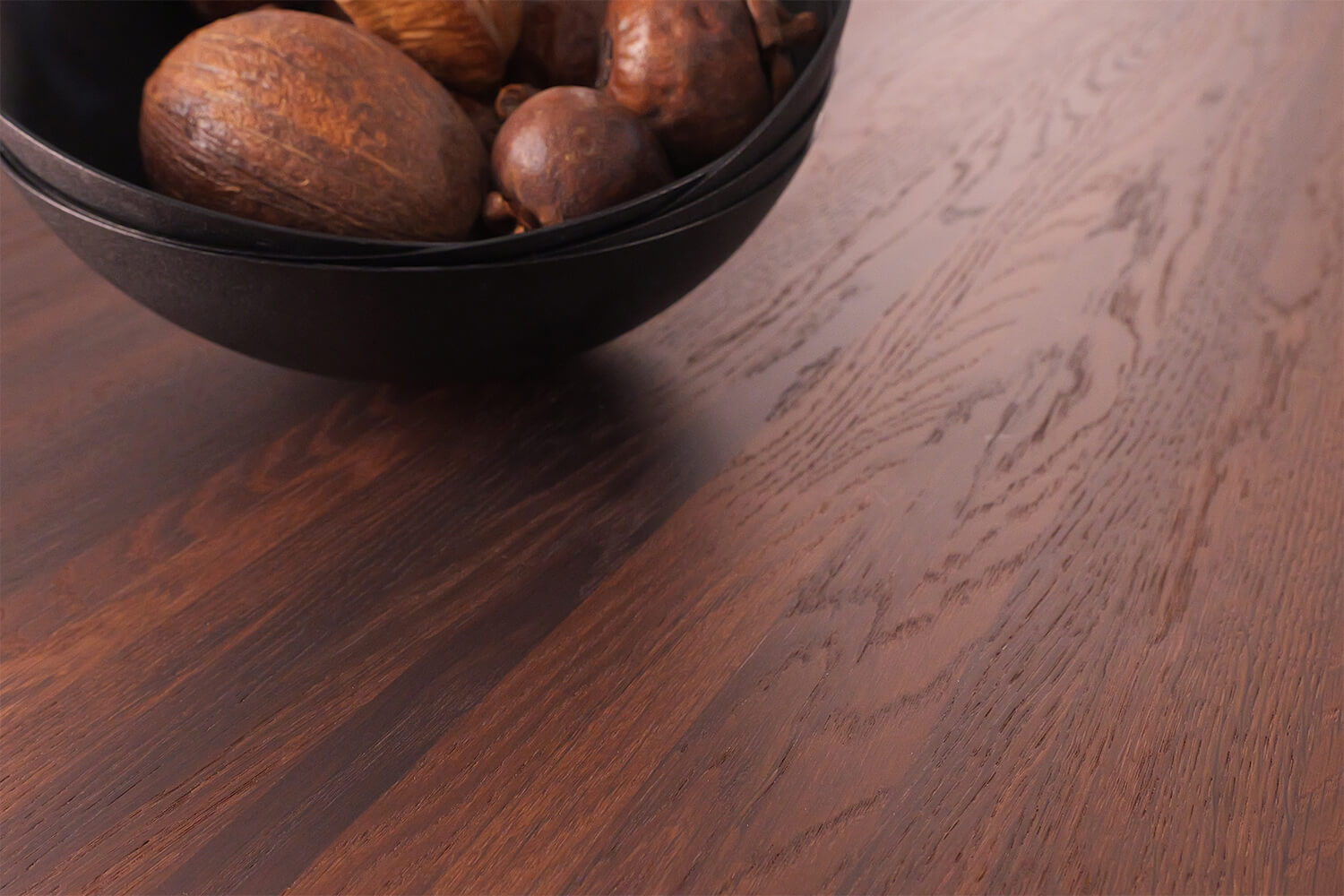
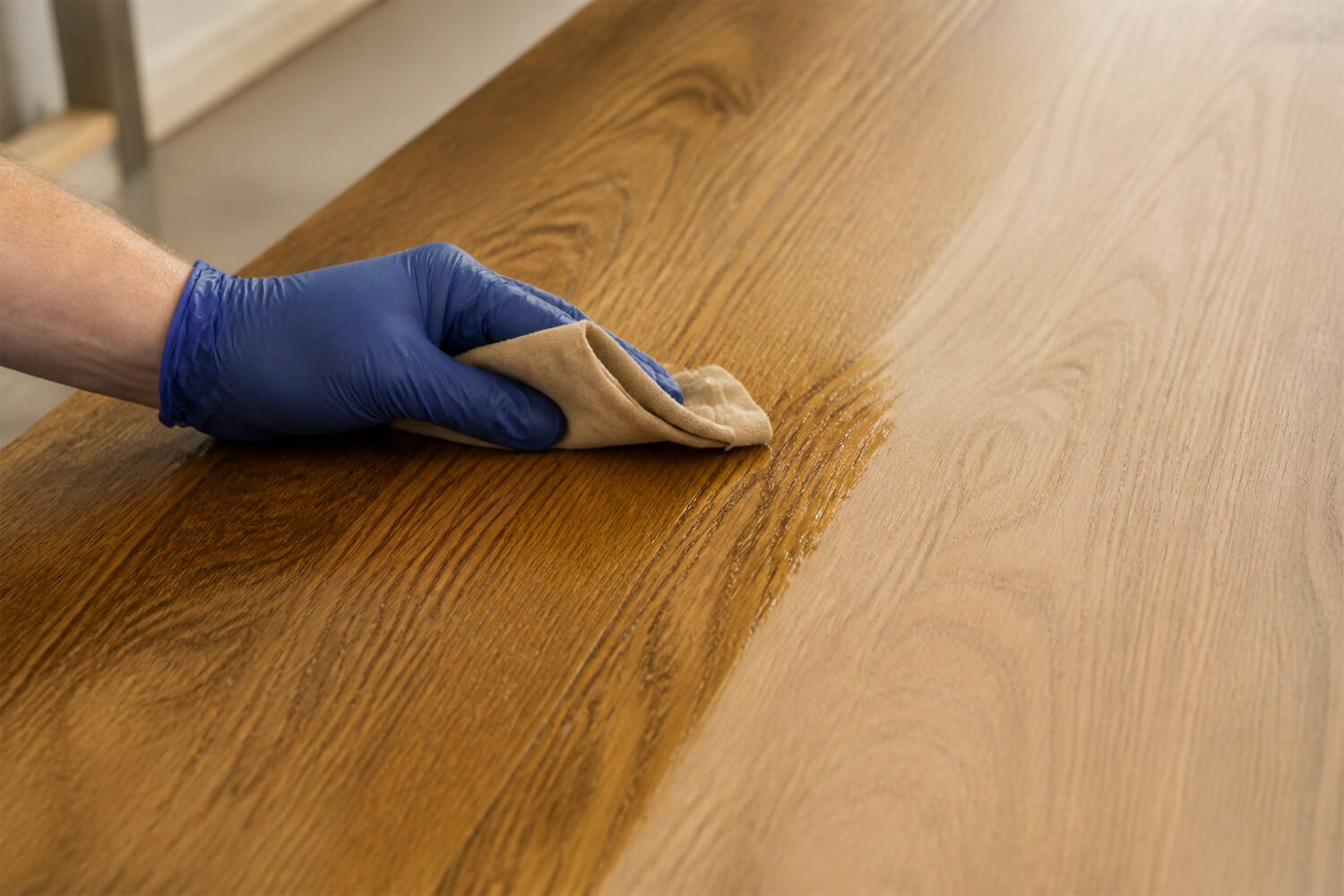
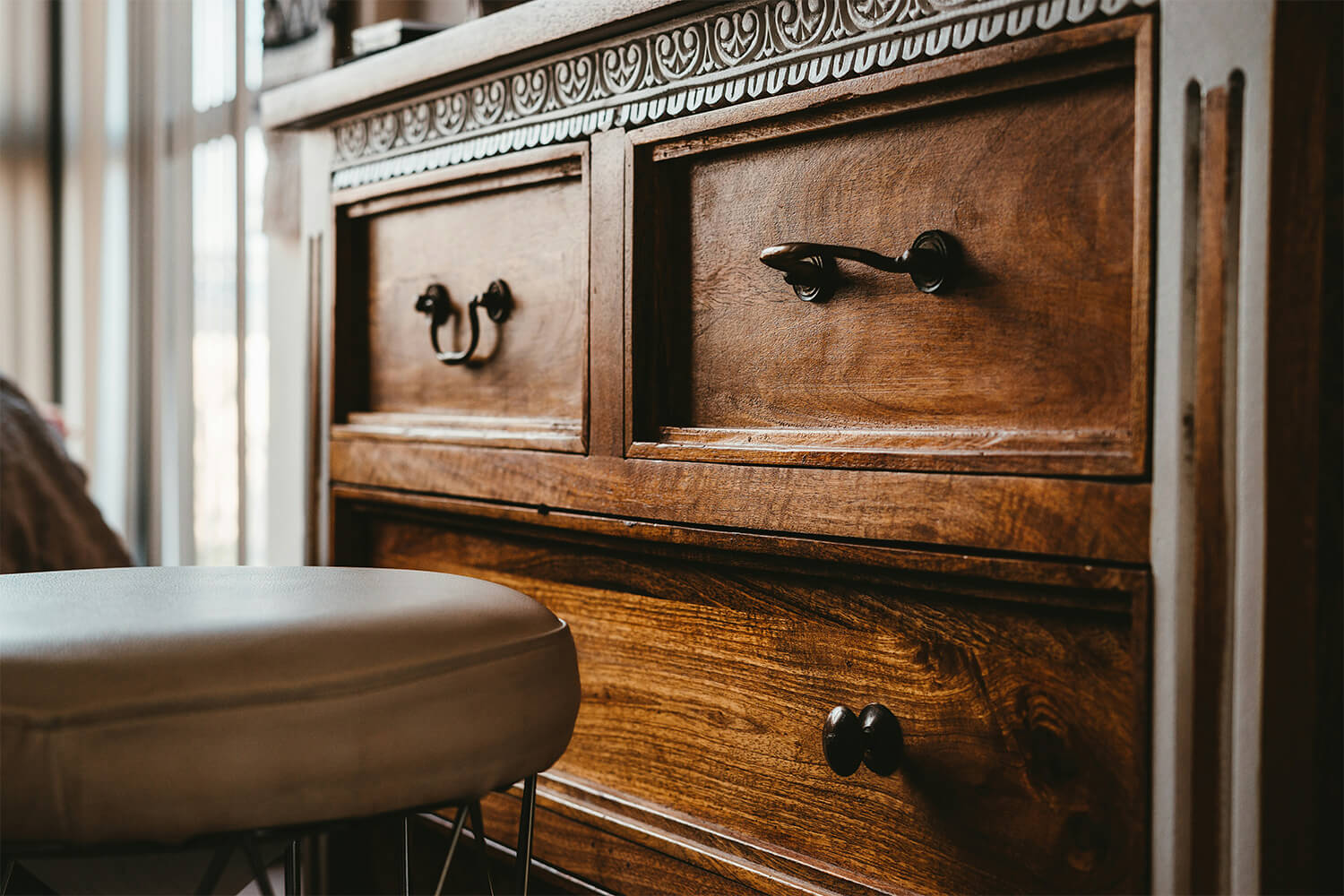
Choosing the material for your kitchen or wardrobe is not simply an aesthetic decision. It's a significant choice that affects how you will experience your space for years to come. Each material has its own identity, behaviour and character — and the right choice depends on your priorities.
Let's explore the three main materials used in premium constructions and see which best fits your needs.
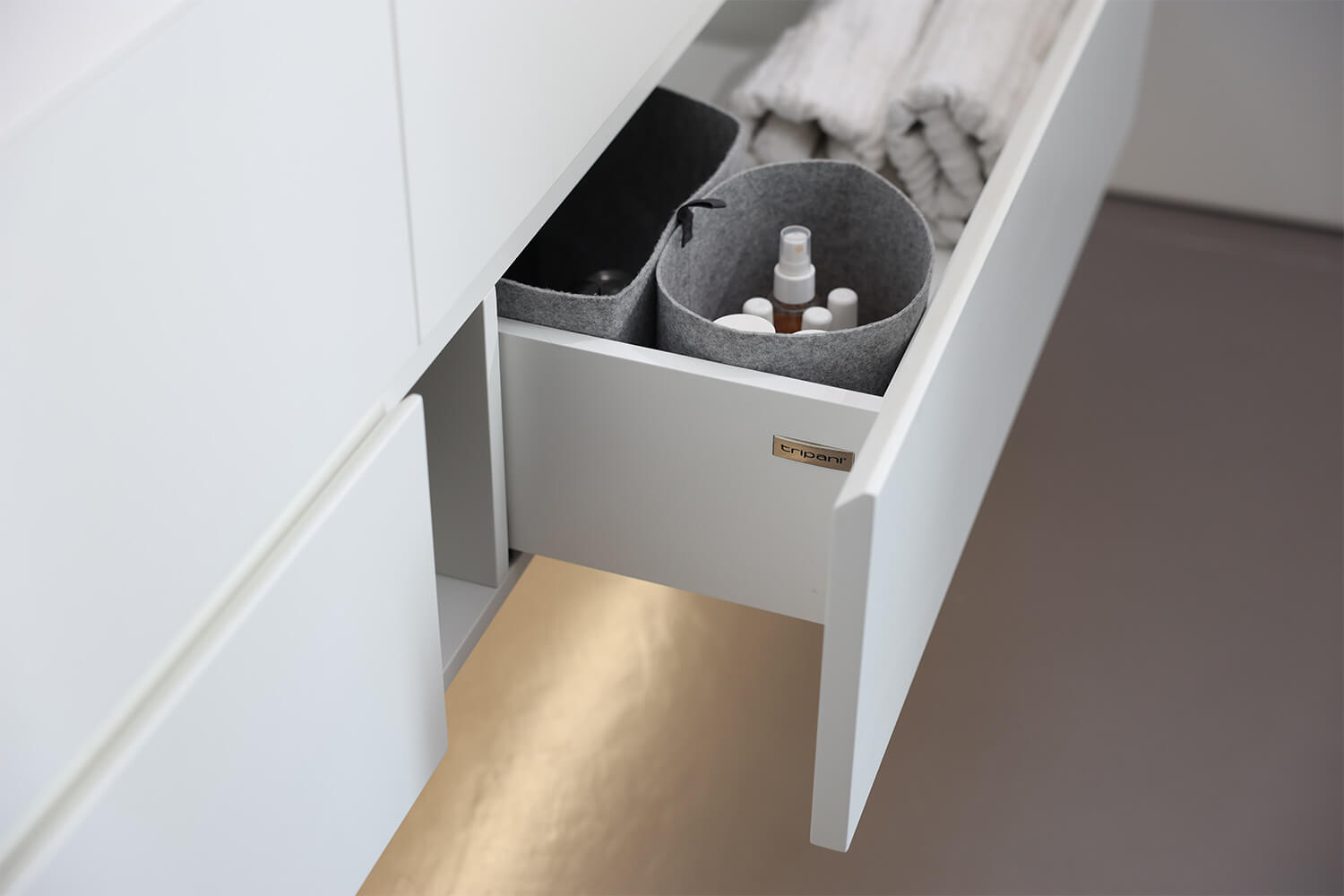
MDF (Medium Density Fibreboard) is an industrial material made from wood fibres and resins, with a completely uniform and stable structure.
💡 MDF doesn't pretend to be natural wood — it's a design material with its own identity.
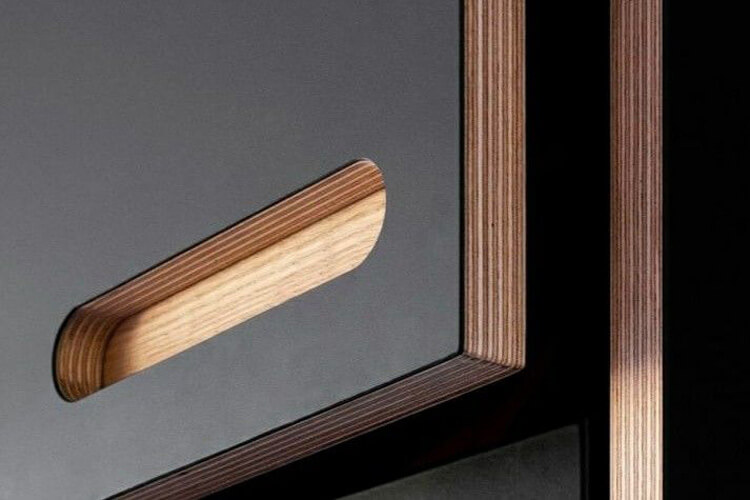
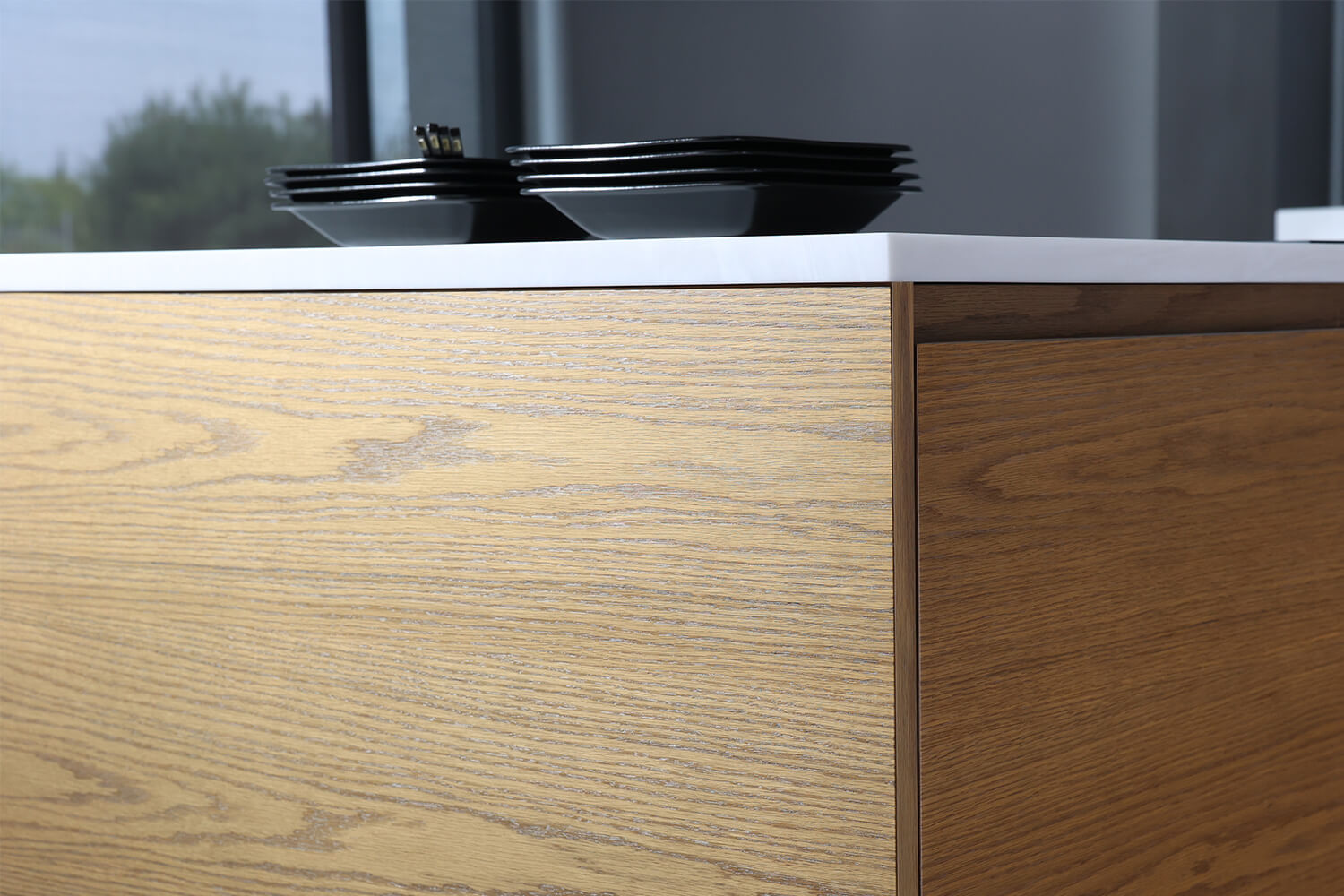
Veneer consists of thin sheets of natural wood that typically coat an MDF or plywood substrate. It combines the authentic look of wood with the technical stability of modern materials.
💡 Veneer offers character — without the quirks of solid wood.
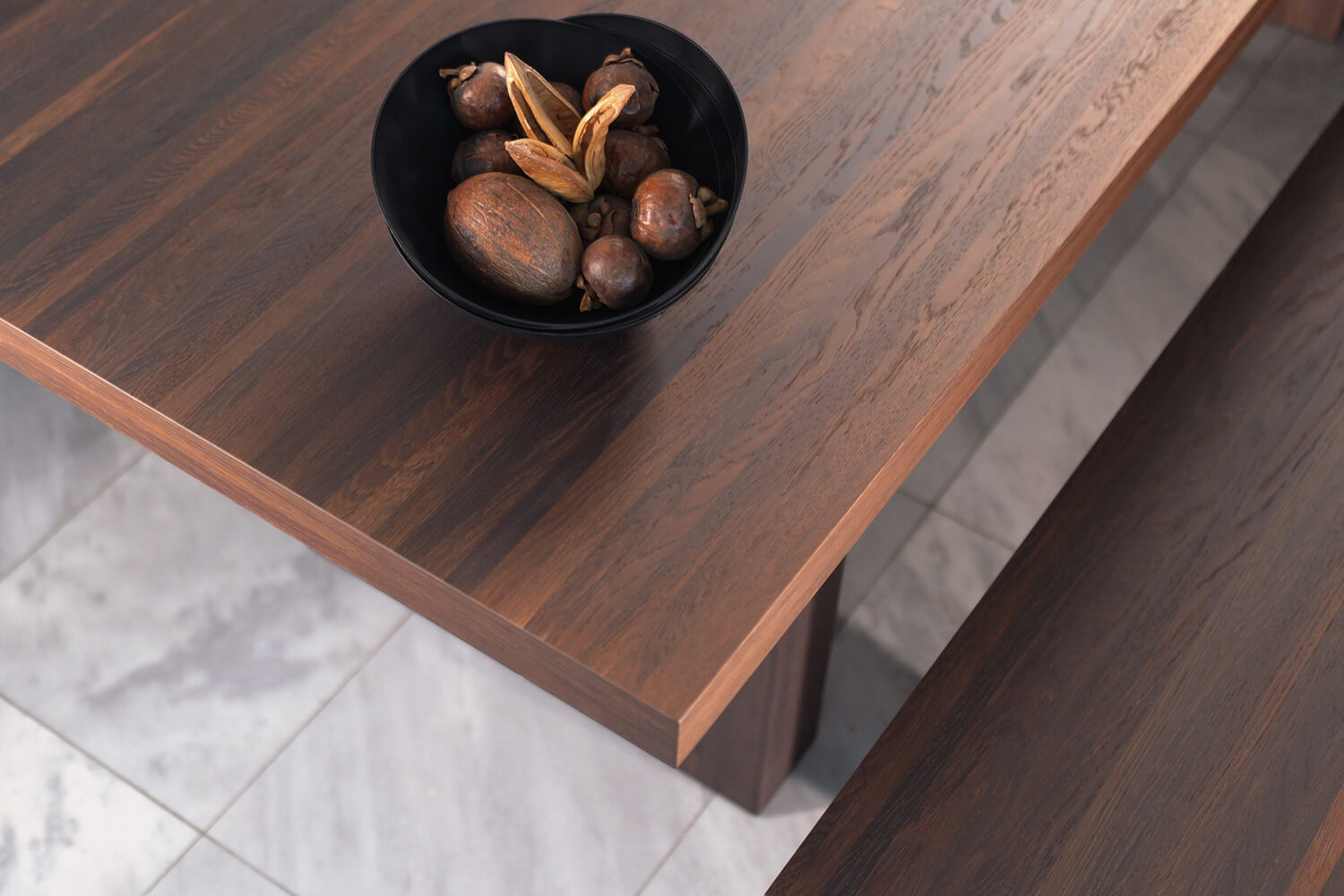
Solid wood is the most traditional and authentic material. Each surface is unique, with natural grain, knots and characteristics that make it unrepeatable.
💡 Solid wood is not perfect — and that is its greatest advantage.
| Material | Aesthetic | Stability | Maintenance | Design Character |
|---|---|---|---|---|
| MDF | Clean, contemporary | Very high | Easy | Minimal, contemporary |
| Veneer | Natural, balanced | High | Moderate | Modern-natural |
| Solid | Authentic, unique | Lower | Demanding | Timeless, classic |
The right choice is not based solely on the material, but on a correct reading of your needs:
At tripani, each material is treated as part of an overall composition — not as an isolated choice. We don't guide you toward "the best material", but toward the right material for you.
Because good design starts from understanding the way you live — and ends in spaces that truly represent you.
Want to talk about which material suits your project? Contact us for a personal consultation.
Για να παρέχουμε τις καλύτερες εμπειρίες, χρησιμοποιούμε τεχνολογίες όπως τα cookies για να αποθηκεύουμε και/ή να έχουμε πρόσβαση σε πληροφορίες συσκευής. Η συναίνεσή σας σε αυτές τις τεχνολογίες θα μας επιτρέψει να επεξεργαζόμαστε δεδομένα όπως η συμπεριφορά περιήγησης ή μοναδικά αναγνωριστικά σε αυτόν τον ιστότοπο. Η μη συναίνεση ή η απόσυρση της συγκατάθεσης μπορεί να επηρεάσει δυσμενώς ορισμένα χαρακτηριστικά και λειτουργίες.
Επιλέξετε τις ρυθμίσεις παρακάτω:
Essential cookies enable basic functions and are necessary for the proper function of the website.
These cookies are needed for adding comments on this website.
Statistics cookies collect information anonymously. This information helps us understand how visitors use our website.
Google Analytics is a powerful tool that tracks and analyzes website traffic for informed marketing decisions.
Service URL: policies.google.com (opens in a new window)