
News
The value of tranquility in space
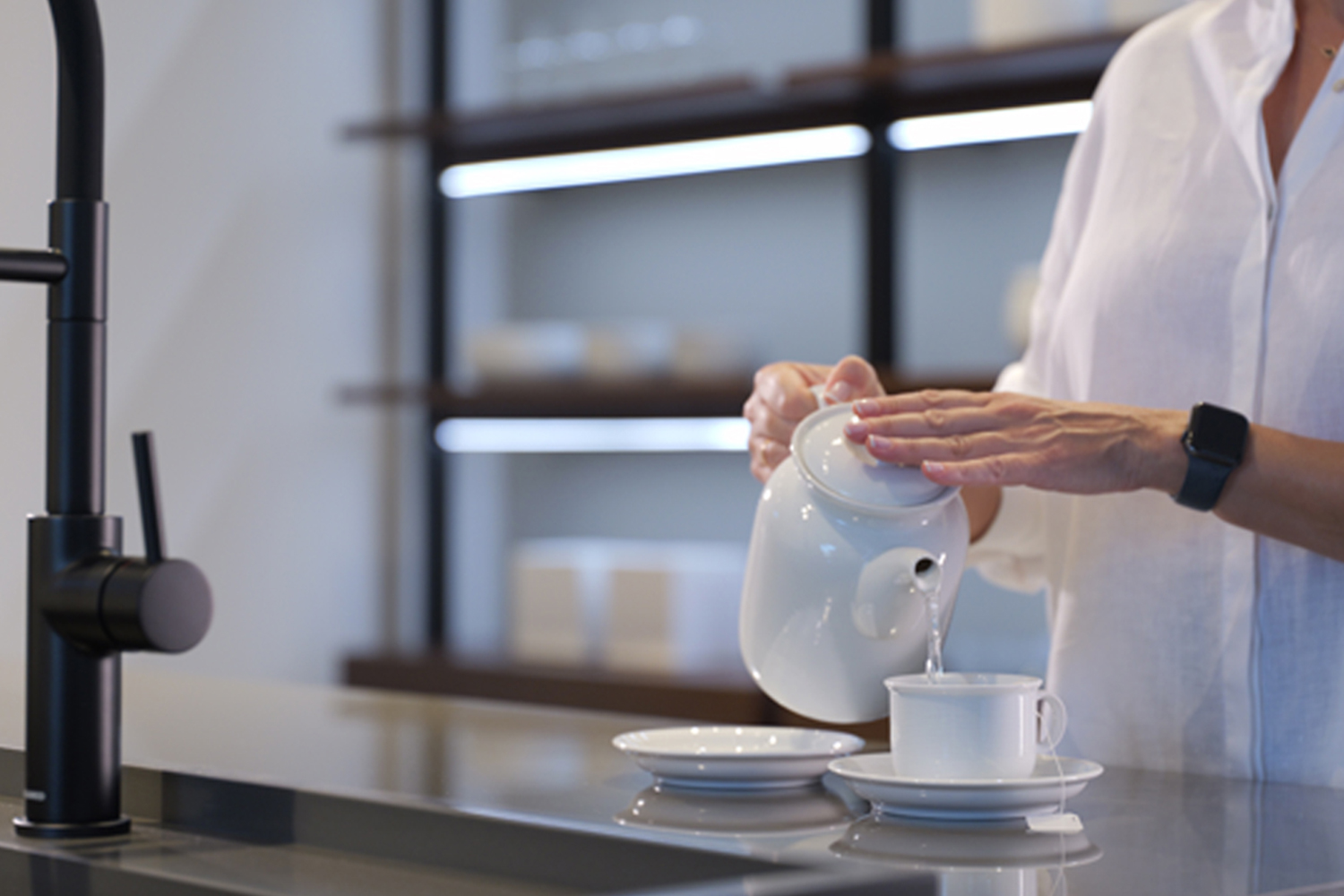
Calmness in a space is not a subjective feeling that arises by chance. It is the result of conscious design — the balance between light, materials, proportions and details that operate quietly, but essentially.
In a world of tension, over-information and constant speed, space is called to become more than a simple refuge — to become a place of rebirth.
Calm and architectural thought
The sense of peace begins with the structure of the space itself. Clean lines, clear geometries and correct proportions create an environment that does not tire the look.
When the design lets the space "breathe", it allows the user to move and stand without tension. Open routes, spaciousness without exaggeration and the correct scale of the elements contribute to this experience.
It is not about minimalism as an aesthetic choice, but about the economy of means — the conscious decision to keep only the essential.
Calm is not added — it arises.
Light as a basic material
Natural light acts as a calming catalyst. When it enters the space unhindered and diffuses evenly, it reduces hard shadows, softens the surfaces and enhances the feeling of spaciousness.
The way light interacts with materials determines our emotional relationship with space. A matte surface that gently absorbs light creates a different atmosphere than a glossy that reflects it.
Combined with soft artificial lighting, without strong contrasts and without ostentatiousness, light becomes a tool of balance — not sensationalism.
Materials that don't shout
The choice of materials plays a decisive role in the emotional experience of the space. Materials with a matte texture, natural character and neutral shades offer visual calmness and a sense of stability.
Wood in natural tones — Warmth without exaggeration
Stone or surfaces with a mild texture —Earth character and gravity
Homogeneous, Seamless Materials — Visual continuity and clarity
The tranquility does not come from the luxury of materials, but from the way they cooperate with each other. When the materials do not compete, but converse, the space calms down.
When the materials work together, the space is quiet.
Detail: The silent power of design
Calmness is often hidden in the absences:
- fewer joints
- Pure, invisible compounds
- Built-in solutions that do not interrupt the flow
When the details do not attract attention, the whole becomes coherent. The user doesn't think about space — he just experiences it. This is the highest form of design: to create experiences that feel effortless.
The quality of the construction, the precision in the finishes and the attention to the small details are what make the difference between a good space and a space that inspires you every day.
Color and Psychology
Neutral palettes, earthy colors and low saturations help create a calm environment. It is not a lack of character, but a conscious choice of balance.
Non-distracting colors allow the other elements of the space — light, materials, objects — to star. They create a background that supports the life that evolves within him.
Color doesn't have to be the star to have a role.
Peace of mind as a way of life
The value of tranquility in the space is not only about aesthetics, but the way we live every day. A balanced space:
- Reduces tension and anxiety
- Enhances concentration and productivity
- Supports quality of life and well-being
Properly designed space acts as a filter from outside noise — not only the acoustic, but also the visual, the emotional, the mentl clutter. It becomes a place where you can return to yourself.
Design that starts with emotion
At Tripani, the design does not start from the material or style, but from how you want to feel in your space. Every project is an opportunity to create not just a beautiful result, but an experience that supports you every day.
Because real luxury today is not exaggeration, display or complexity.
It's the calm.
Looking for a space that acts as a shelter? Let's discuss how we can bring peace to your home.